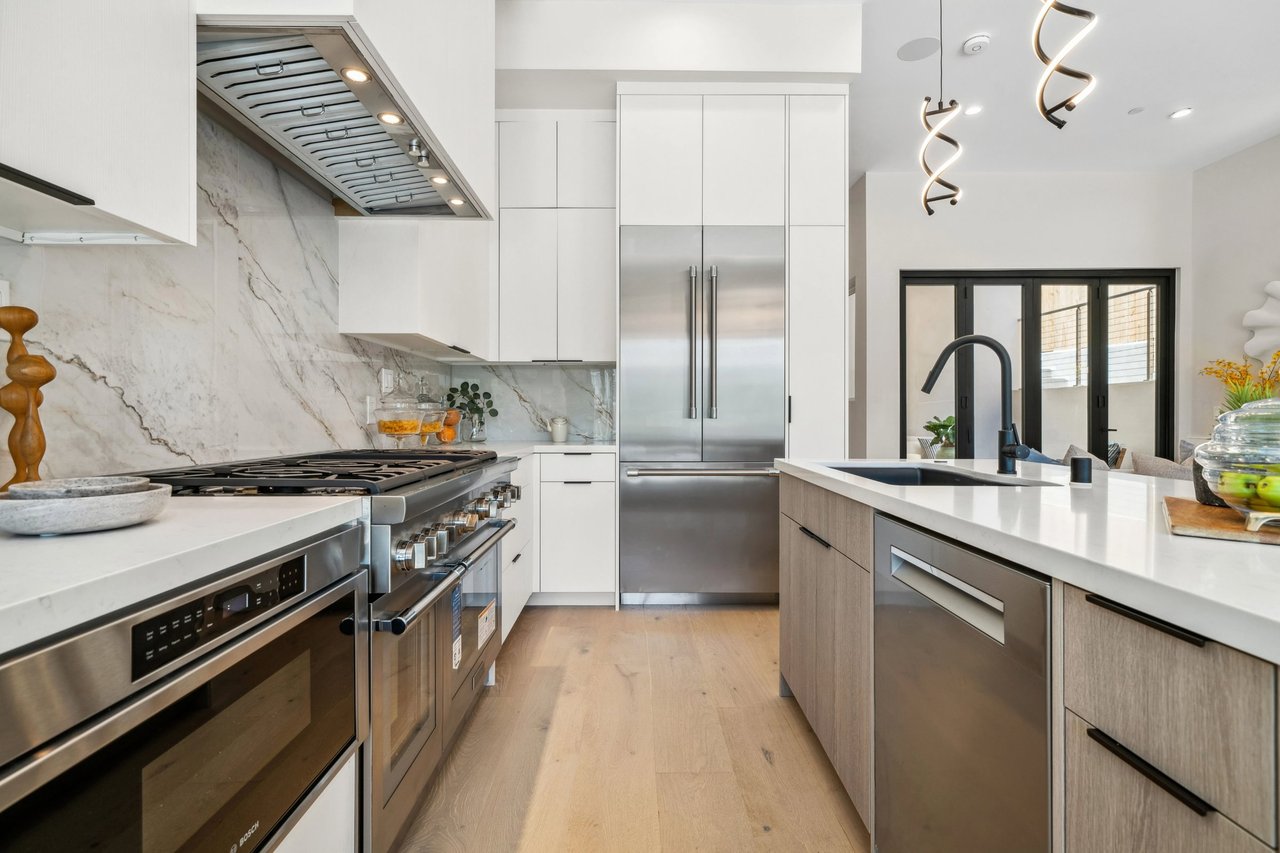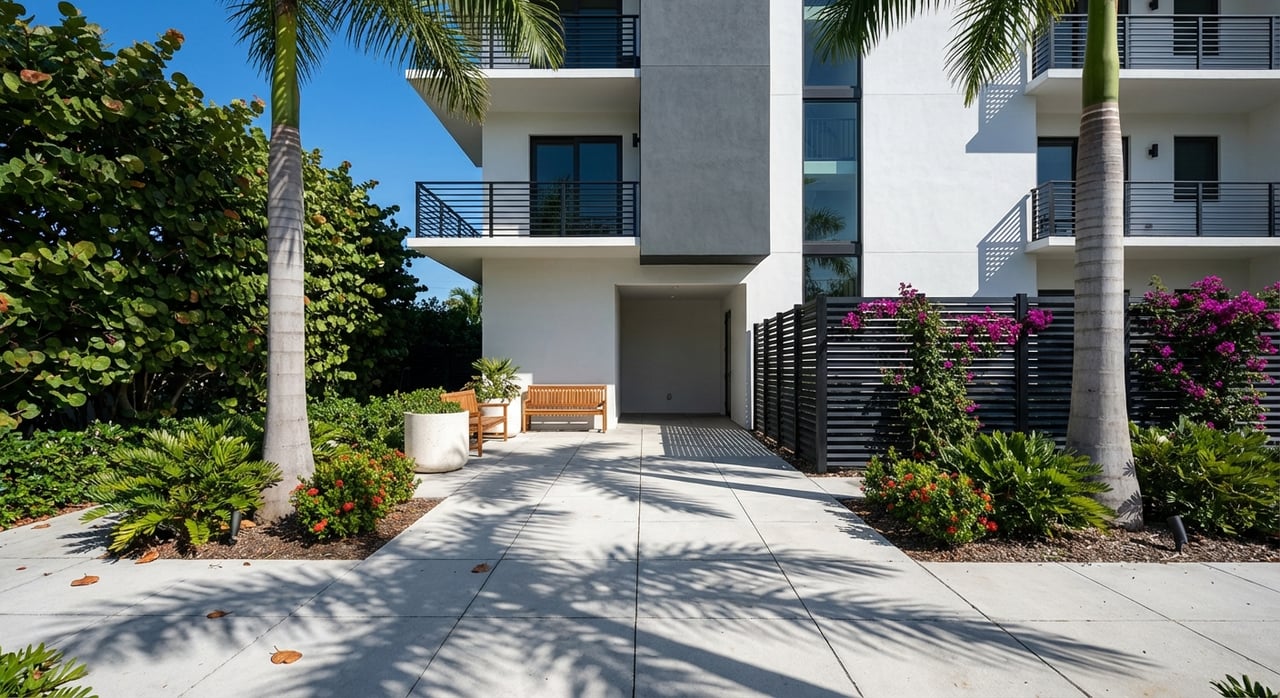
Is Delray Beach calling your name for a second home, but you are unsure where to start? You are not alone. Many out-of-state buyers want the beach lifestyle, rental potential, and an easy remote process. In this guide, you will learn how Delray Beach compares within Palm Beach County, the property types that fit different goals, true carrying costs, rental rules, and a step-by-step plan to buy with confidence. Let’s dive in.
Data and links current as of Jan 31, 2026.
Why Delray Beach for a second home
Delray Beach blends a walkable downtown, Atlantic Avenue dining, arts, and easy beach access. Typical citywide home values sit around the mid-to-high $300s based on Zillow’s index, about $335,000, though prices vary by micro-location and property type. The broader metro of West Palm Beach, Boca Raton, and Delray Beach trends higher than the national median, with some Palm Beach County submarkets posting much higher medians. Expect meaningful differences street by street within Delray.
Lifestyle is the draw. Downtown condos and townhomes near Atlantic Avenue and Pineapple Grove are popular for walkability. East-of-Intracoastal neighborhoods deliver waterfront living. Seasonal events and strong winter demand support both personal use and rental strategies.
Choose the right property type
Your use plan and budget should guide property selection. Here is how the main options differ:
- Oceanfront single-family homes and estates. Premium pricing and stronger flood and wind exposure. If you plan to rent, nightly rates can be high. Waterfront pockets like Seagate and Delray Beach Shores are examples of where you see this product.
- Intracoastal and deep-water dock homes. Ideal for boaters, but expect seawall and dock maintenance, higher insurance, and higher property taxes compared to inland areas.
- Downtown condos near Atlantic Avenue and Pineapple Grove. Walkable, with strong monthly or seasonal rental appeal. Review the impact of Florida’s post‑Surfside rules, since many multi-story condos face mandatory inspections and structural reserve requirements that can lead to special assessments. The Florida Bar summarizes these SB 4‑D changes and what to check in building documents in its overview of condo milestone and reserve rules.
- Inland single-family homes and townhomes west of A1A. Lower entry price and typically lower insurance exposure than the waterfront, with easier long-term leasing but lower nightly short-term rates.
Neighborhood snapshots to orient your search
- Pineapple Grove and Atlantic Avenue area. Walkable dining and arts, popular with snowbirds seeking a car-light lifestyle.
- Lake Ida and Palm Trail. Established east-side residential pockets with classic character and proximity to downtown.
- Tropic Isle and Delray Isle. Waterfront enclaves suited to boating, with Intracoastal access.
- Country Club Acres and Southridge. Value-focused inland options with more approachable price points.
Choose based on how you plan to use the home and your comfort with insurance exposure and association rules.
What your monthly costs may look like
Build a realistic budget before you shop. The biggest drivers are below.
- Property taxes. Palm Beach County sets millage rates by taxing authority, and assessments reset to market value at purchase. Homestead does not apply to second homes, so plan without it. Use the Palm Beach County Property Appraiser to review parcel-level history, TRIM notices, and exemptions.
- Homeowners and flood insurance. East-of-I‑95 and waterfront areas can face elevated flood risk. Local coverage and FEMA map updates have pushed more coastal parcels into higher-risk flood zones, which can raise premiums and base flood elevation requirements. The Coastal Star details the local implications of new FEMA flood‑zone maps. Ask your agent for quotes early, and track market availability through the Florida Office of Insurance Regulation update.
- HOA and condo fees. Monthly fees vary widely. Amenity-rich beachfront or Intracoastal buildings can reach four figures, and some older buildings may levy one-time special assessments under new condo rules. Always request the association budget, reserve study, insurance certificate, meeting minutes, and any special-assessment history.
- Closing costs and taxes. Florida documentary stamp tax on deeds is typically calculated at about $0.70 per $100 of the purchase price, plus recording and title charges. On financed deals, plan for a mortgage-intangible tax. See a practical overview of the documentary stamp tax at closing.
- If you plan to rent. Budget for management fees, cleaning and turnover, utilities, landscape and pool care, replenishment, and higher insurance if your policy requires a short-term rental endorsement.
If you plan to rent: rules and seasonality
Delray Beach rewards smart timing and compliance. Winter is peak season, with strong demand from November through April. Local events create rate spikes, including the Delray Beach Open tennis tournament in February and the large April arts event, the Delray Affair. Expect softer demand and lower nightly rates in late summer and early fall.
Know the licensing and tax requirements before you accept a booking:
- State licensing. Florida classifies many short-term rentals as “Vacation Rental — Dwelling” or “Vacation Rental — Condominium.” Review the DBPR vacation rental licensing guide and confirm whether your use needs a license.
- County bed tax (TDT). Palm Beach County imposes a 6 percent Tourist Development Tax on rentals of six months or less. The county states that hosts must register, collect, and file monthly, and that platforms do not remit the county TDT on your behalf. Start at the Tax Collector’s Tourist Development Tax page.
- Sales and discretionary surtax. Rentals are also subject to Florida sales tax and local surtaxes. The county tax collector provides updates on current combined rates and filing guidance. Review the Tax Collector’s Tax Talk update for rate changes effective in 2026.
Verify what each booking platform collects automatically. For Palm Beach County, you still need your own TDT registration and monthly filings.
A remote-buyer friendly process
You can complete most steps from out of state with the right team and a clear checklist. Use this sequence to reduce surprises.
Request property and association documents. For condos and townhomes, ask for the current budget, most recent reserve study, last 12 months of meeting minutes, insurance certificate, rental rules, and any special assessments. For multi-story buildings, confirm SB 4‑D milestone inspections and structural integrity reserve requirements using the Florida Bar summary.
Confirm use and registration items. If you plan short-term rentals, verify zoning and permitted use, and open your Palm Beach County TDT account through the Tax Collector. If a local Business Tax Receipt is required for your listing type, add that to your file.
Run property-specific insurance checks. Order a flood-zone and elevation review for the exact parcel. If waterfront, evaluate seawall and dock condition. The Coastal Star’s reporting on FEMA map changes explains why this matters.
Get insurance quotes before you offer. Ask for homeowners, wind, and flood quotes, plus a short-term rental endorsement if you will host. If private carriers decline, explore Citizens. Track market conditions with the state insurance regulator’s update.
Model carrying costs conservatively. Combine HOA or condo fees, a property-tax estimate from the Property Appraiser, annualized insurance, utilities, management at 20 to 30 percent for full-service short-term rentals, cleaning and supplies, and a vacancy allowance for shoulder months.
Prepare for closing costs. Confirm whether your lender requires a specific hurricane deductible or roof age, and budget for Florida documentary stamps and recording fees per state closing guidance. Who pays doc stamps is negotiable, so confirm in your contract.
Order the right inspections. Beyond a standard home inspection, consider an engineer’s review for older or coastal multifamily buildings, especially near the 30‑year milestone that triggers SB 4‑D requirements.
Line up a local team early. Choose your title company and, if renting, a property manager who will handle TDT filings. Confirm each platform’s tax-collection behavior and set your listing to collect the amounts you must remit.
Condo buyers: avoid surprise assessments
If a condo is on your shortlist, build in extra diligence. Florida’s SB 4‑D requires milestone structural inspections and structural-reserve studies for many multi-story buildings. Associations cannot waive required reserves for critical items, which can translate to higher monthly fees or one-time assessments in older buildings. Before you commit, review the latest inspection reports, the structural integrity reserve study, reserve balances, meeting minutes, and any planned projects in writing using the Florida Bar’s overview of the law.
Waterfront and flood: plan before you fall in love
Waterfront homes deliver a unique lifestyle, but they come with specific responsibilities. Seawalls and docks require maintenance budgeting. Flood zones and base flood elevations affect both renovation plans and insurance costs. Get an elevation certificate if one is not available, price out flood coverage, and study parcel-level changes tied to updated FEMA maps using local reporting on coastal flood‑map impacts.
Compare Delray to nearby towns
Within Palm Beach County, submarkets like the Town of Palm Beach and Boca Raton often carry higher median prices, while Delray Beach offers a mix of downtown condos, classic east-side homes, and high-end waterfront pockets. Because Delray’s average blends very different micro-markets, compare specific streets and buildings rather than citywide medians. Your second-home strategy, whether pure lifestyle or lifestyle plus rental income, should drive that side-by-side comparison.
The bottom line
Delray Beach can be an excellent second-home market if you match the property to your goals and budget, plan for insurance and association realities, and follow a clear remote process. With the right checks on condo reserves, flood exposure, and rental compliance, you can enjoy winter sunshine and offset costs with well-managed bookings.
Ready to map out a second-home plan or tour properties virtually? Reach out to Patricia Okolo for a tailored search, virtual showings, and a clear buying strategy built for out-of-state buyers.
FAQs
Do short-term rentals in Delray Beach require licenses and taxes?
- Many do. Review the DBPR vacation rental licensing guide and register for Palm Beach County’s 6 percent Tourist Development Tax if you host stays of six months or less.
Can I claim a homestead exemption on a Delray Beach second home?
- Typically no. Homestead benefits apply to primary residences, so plan your property-tax budget without homestead and verify parcel details with the Property Appraiser.
How do Florida’s new condo rules affect my costs?
- SB 4‑D mandates milestone structural inspections and structural-reserve studies for many multi-story condos, which can increase monthly fees or trigger assessments; see the Florida Bar summary.
Who remits the Palm Beach County bed tax on my bookings?
- You do. The Tax Collector states that platforms do not remit the county TDT for you, so register, collect 6 percent, and file monthly using the TDT portal.
What insurance should I budget for a waterfront second home?
- Plan for homeowners, wind, and separate flood coverage, and consider a short-term rental endorsement if applicable; review local flood‑map changes via The Coastal Star’s coverage and track market availability through the state insurance regulator.
What closing taxes should I expect when buying in Florida?
- Budget for documentary stamp tax on the deed, typically about $0.70 per $100 of price in most counties, plus recording and title charges; see closing cost guidance for details.