If your work life pulls you toward Washington, Baltimore, or Annapolis, where you live can shape your whole week. You want a place that gives you room to breathe without cutting you off from the region. In Bowie, MD, many buyers find that balance through suburban housing, multiple commute routes, and everyday conveniences that support a busy schedule. Let’s dive in.
Why Bowie Works for Commuters
Bowie is a suburban city in Prince George’s County with an estimated population of 58,383 in 2025. The city describes itself as convenient to Washington, DC, Annapolis, and Baltimore, which helps explain why it continues to attract buyers who need regional access.
For many households, Bowie offers a practical middle ground. You get a suburban setting with established neighborhoods, while still having several ways to get where you need to go during the workweek.
Census QuickFacts reports a mean travel time to work of 34.8 minutes in Bowie. That does not mean every commute will look the same, but it does show that commuting is a normal part of daily life here.
Bowie Has an Established Housing Market
Bowie tends to appeal to buyers who want a more established homeowner setting rather than a dense rental environment. Census data shows an owner-occupied housing rate of 83.9%, a median owner-occupied home value of $459,300, and a median gross rent of $2,330.
That profile matters if you are comparing Bowie with more urban parts of the DMV. In Bowie, you are more likely to find neighborhood-based living patterns and a housing stock designed around long-term residency.
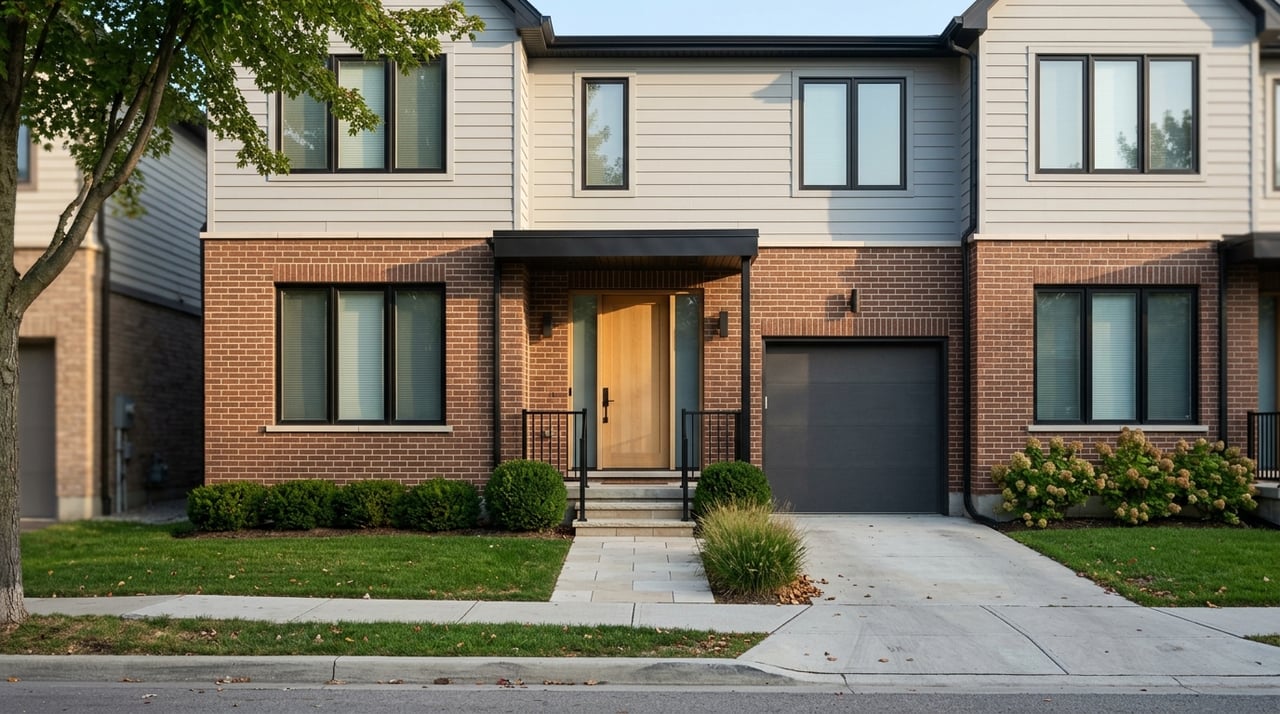
The city says Bowie includes single-family homes, townhomes, apartments, and senior living facilities. That range gives commuter buyers options, whether you want a detached home with more space or an attached home with a different maintenance setup.
Commute Options in Bowie
Major Roads Matter Here
Bowie works best for many residents as a car-first suburban base. The city identifies major state-maintained corridors including Route 50, Route 3/301, Route 214, Route 197, Route 450, and Route 564.
If you drive to work, those roads are a big part of daily decision-making. They can support trips toward DC, Baltimore, Annapolis, and other parts of the region, which gives you flexibility if your job location changes or your schedule is hybrid.
Transit Is Available as a Backup or Hybrid Tool
Even if you expect to drive most days, Bowie is not limited to one commute style. City transportation guidance says regional networks such as Metrobus, Metrorail, and Prince George’s County The Bus serve different parts of Bowie and can be used for commuting into Washington, DC, or Baltimore.
That can be especially helpful if you split your week between home and office. It also gives you alternatives when you want to avoid driving the entire route yourself.
New Carrollton Adds Regional Reach
For many Bowie residents, New Carrollton is an important transit connection. The city says the closest Metro rail stop is New Carrollton, and buses to New Carrollton stop in different areas of Bowie.
The city also notes a park-and-ride lot on Northview Drive. For commuters who prefer to drive part of the way and finish by transit, that kind of setup can make Bowie more workable.
WMATA describes New Carrollton as one of the region’s largest transit hubs, with access to Metro, Amtrak, MARC, Greyhound, and the future Purple Line. In practical terms, that gives Bowie residents a strong regional transit anchor nearby.
MARC Can Help DC and Baltimore Commuters
Bowie also offers access to commuter rail through the MARC stop at Bowie State University, which the city says includes parking. MARC’s Penn Line runs primarily between Baltimore Penn Station and Union Station in Washington, DC, and includes that Bowie State University stop.
If your work takes you north or south along that corridor, MARC may be worth a close look. For some buyers, that rail option becomes one of the biggest reasons Bowie stays on the shortlist.
Vanpools Support Routine Commuting
The city also notes vanpools from the Bowie/Crofton area to downtown. That may not fit every schedule, but it gives another option for people who want a more structured commute without driving solo every day.
When you put roads, bus access, New Carrollton, MARC, and vanpool options together, Bowie offers more than one path to work. That flexibility can matter just as much as commute distance.
Choosing the Right Home Setup
Single-Family vs. Townhome Living
The right fit in Bowie often comes down to how you want your weekdays to function. A single-family home may appeal if you want more separation, outdoor space, or a traditional suburban layout.
A townhome may appeal if you want an attached option in a neighborhood setting. Since Bowie includes both, you can compare how each style supports your work routine, storage needs, parking preferences, and household schedule.
HOA and Street Maintenance Details Matter
One practical detail many buyers overlook is street maintenance. The city says most townhouse development streets are private and generally maintained by the HOA or management company, while city winter operations are limited to city-maintained public streets.
That can affect your daily routine more than you might think. If you are comparing townhouse communities, it is smart to ask how maintenance works, who handles winter conditions, and what that means for access during rough weather.
Neighborhood Geography Affects Daily Life
Bowie’s neighborhoods come in all sizes, and many residents identify by neighborhood or section. The city also notes that services like trash collection, recycling pickup, and leaf collection are scheduled by neighborhood.
That tells you something important about life in Bowie. This is a place where local geography shapes your routine, so it helps to understand not just the home, but also how the surrounding neighborhood functions day to day.
Everyday Life Beyond the Commute
A practical commuter town still needs to work after office hours. In Bowie, that includes space for errands, outdoor time, and weekend routines that make life feel manageable.
The city profile highlights more than 1,373 acres of parks and preserved open space, over 28 miles of paths and trails, and 97 ballfields and parks. If you want a suburban setting with room to get outside, those numbers are meaningful.
Allen Pond Park is one of the city’s most prominent parks. The city calls it its premier 85-acre park, and it is home to the Bowie Ice Arena and Bowie Skate Park.
Whitemarsh Park is another major local option. The city describes it as a 182-acre park with trails, picnic areas, ballfields, a campfire circle, and a playground.
For errands and shopping, Bowie Town Center is a key retail anchor. Its site says it is near Route 301 and Route 50, offers ample parking, and includes more than 70 shops.
That location can be useful for buyers who want easy access to routine stops without adding extra complexity to the week. When your schedule is already packed, convenience close to major roads can make a real difference.
For a more local weekend rhythm, the Bowie Farmer’s Market runs Sundays from late May through October in the parking lot at Bowie High School from 9 a.m. to 1 p.m. The market includes produce, baked goods, meats, flowers, plants, and handmade goods.
What Bowie May Feel Like for You
If you are moving from a denser part of the DMV, Bowie may feel more spread out and more car-oriented. That can be a plus if you want more housing variety, neighborhood structure, and easier parking.
If you are relocating from farther out, Bowie may feel like a useful compromise between access and space. You are still in a suburban environment, but with several ways to connect back into the broader region.
For many buyers, the biggest advantage is flexibility. Bowie is not purely transit-oriented, and it is not trying to be. Instead, it works well as a suburban base with multiple commute paths that can support changing work patterns.
Key Questions to Ask Before You Buy in Bowie
Before you choose a home in Bowie, it helps to think beyond the listing itself. A smart move is to compare the home with the routine you expect to live.
Consider questions like these:
- How often will you drive versus use transit?
- Would access to New Carrollton or the Bowie State MARC stop improve your workweek?
- Do you prefer a single-family home or a townhome setup?
- If you are considering a townhome, who maintains the streets and common areas?
- How important is quick access to Route 50 or Route 301?
- Do nearby parks, trails, or shopping add value to your daily routine?
The best Bowie home for a commuter is not only about square footage or finishes. It is about how smoothly your home, neighborhood, and commute fit together.
If you are thinking about buying in Bowie or comparing it with other DMV commuter markets, working with a local team can help you narrow your options faster and make a more confident move. To start the conversation, connect with Patricia Okolo for personalized guidance on Bowie homes and commuter-friendly neighborhoods.
FAQs
Is Bowie, MD a good place for commuters?
- Bowie can work well for commuters because it offers access to major roads, bus service, nearby New Carrollton, a MARC stop at Bowie State University, and vanpool options.
What is the average commute time in Bowie, MD?
- Census QuickFacts reports a mean travel time to work of 34.8 minutes in Bowie.
What types of homes can you find in Bowie, MD?
- The City of Bowie says the city includes single-family homes, townhomes, apartments, and senior living facilities.
Does Bowie, MD have Metro access?
- The closest Metro rail stop is New Carrollton, and the city says buses to New Carrollton stop in different areas of Bowie.
Is Bowie more car-dependent or transit-oriented?
- Based on the city’s road network and nearby transit options, Bowie works best for many residents as a car-first suburban base with transit backups.
What should townhouse buyers know about Bowie neighborhoods?
- The city says most townhouse development streets are private and generally maintained by the HOA or management company, which can affect maintenance expectations and winter access.