Selling a home in Bethesda can feel simple from the outside. Put it on the market, schedule showings, and wait for offers, right? In reality, the strongest sales usually start weeks before your listing goes live, especially in a market where early momentum can shape your final result. If you want to protect your price, reduce surprises, and move through the process with more confidence, a clear plan matters. Let’s dive in.
Why early preparation matters in Bethesda
Bethesda is not a one-size-fits-all market. According to Redfin’s Bethesda housing market data, the median sale price reached $1.505 million in February 2026, homes averaged about 3 offers, and the median sale timeline was 43 days. The same report notes that homes typically went pending in around 36 days and sold for about 1% above list price.
That kind of activity creates opportunity, but it does not mean every home will sell quickly at any price. Strong demand still rewards sellers who launch with clean presentation, accurate pricing, and complete paperwork. In Bethesda, the first few weeks on market can carry outsized weight.
Timing matters too. Realtor.com’s 2026 seller timing report identified March 22, 2026 as the best week to list in the Washington-Arlington-Alexandria metro, with 7.1% higher listing prices, 18.1% more views per property, 29% fewer price reductions, and 15.2% fewer days on market than an average week. If you are thinking about selling, that is a strong reason to start preparing before your ideal launch window arrives.
Step 1: Set your sale timeline
A smart sale usually begins with a backward plan. Instead of asking when you want your sign in the yard, ask when you want to move, when you want to review offers, and how much time you need for repairs, cleaning, and paperwork.
This step is especially important because many sellers underestimate prep time. Realtor.com reports that 53% of sellers took one month or less to get ready to list, which means the owners who prepare early often have more control over timing, vendor scheduling, and presentation.
Your timeline should include:
- Your ideal listing week
- Time for repairs or touch-ups
- Time to gather disclosures and documents
- Time for staging and photography
- Time to review expected closing costs and net proceeds
Step 2: Handle disclosures early
One of the easiest ways to create stress is to leave disclosure documents until the last minute. In Maryland, the residential disclosure or disclaimer process should begin at the listing stage, not after a buyer appears.
Under Maryland regulations, the seller’s agent should obtain the disclosure or disclaimer statement when the listing is taken and provide it promptly when an offer is expected or received. Maryland’s form also makes clear that if you know about latent defects, those must still be disclosed even if the home is being sold as is.
If your home was built before 1978, there is another required step. The EPA’s lead-based paint disclosure guidance explains that sellers must provide the federal pamphlet, disclose known lead-based paint or lead-hazard information, share available reports, and allow a buyer a 10-day period to conduct a lead inspection or risk assessment unless both parties agree otherwise.
Taking care of these items up front helps your listing move more smoothly once buyer interest starts.
Step 3: Check Bethesda-specific requirements
Local rules matter, and in Bethesda one of the most important is radon testing. According to Montgomery County’s radon guidance for home sales, single-family homes, including detached homes and townhomes, must generally be tested for radon before sale within one year of settlement.
This requirement does not apply to condominiums or co-ops, and there are limited exclusions for certain transfers. Still, many sellers overlook it until they are already under contract. Getting clarity on whether your property needs testing can help you avoid delays later.
Step 4: Consider a pre-list inspection
A pre-list inspection or a focused pre-market walk-through can help you spot problems before buyers do. In a market where Bethesda homes can attract attention quickly, this step can reduce the risk of renegotiation, rushed repair credits, or a price cut after the home is already listed.
You do not always need to fix everything. The goal is to understand the condition of your home, decide what is worth addressing, and avoid being surprised during contract negotiations.
Common items to review may include:
- Roofing and gutters
- HVAC performance
- Plumbing leaks or water stains
- Electrical issues
- Windows and doors
- Safety or maintenance items buyers may flag
Step 5: Focus on cleaning, decluttering, and curb appeal
Presentation is one of the most controllable parts of the selling process. According to the National Association of Realtors 2025 staging report, 29% of sellers’ agents said staging led to a 1% to 10% increase in the dollar value offered, and 49% said staging reduced time on market.
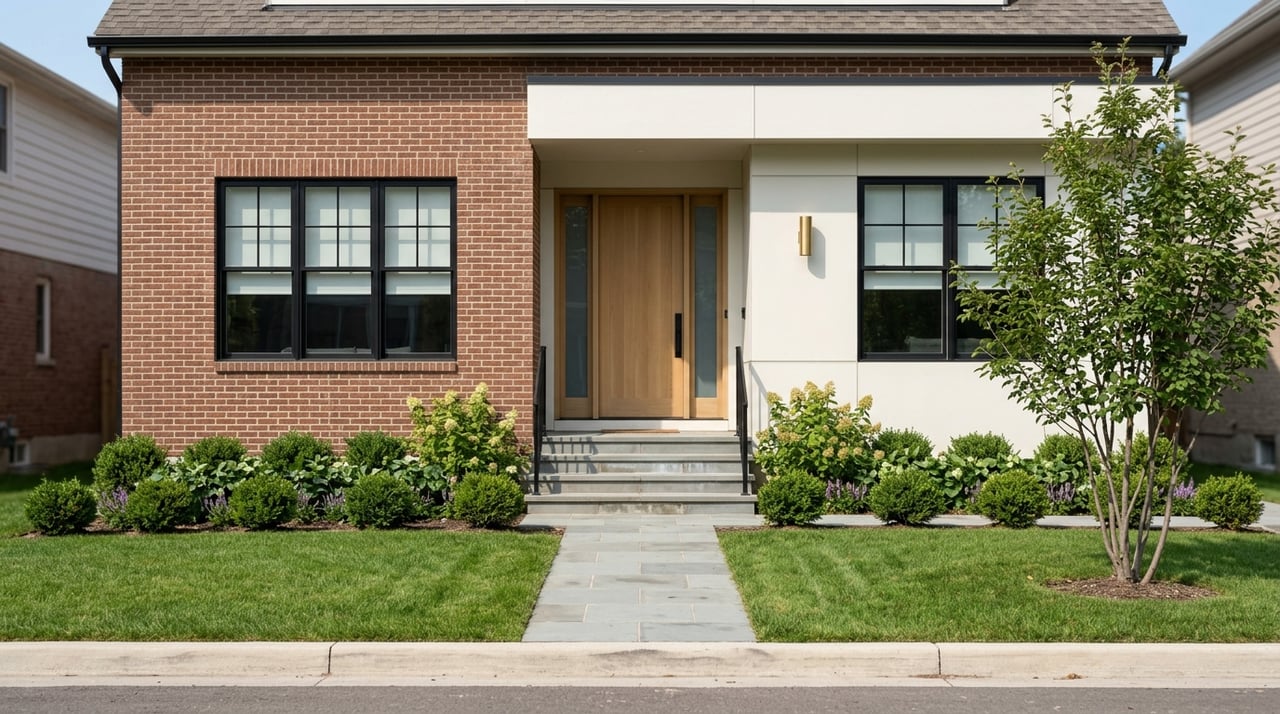
The same report found that the most common recommendations were decluttering, cleaning the entire home, and improving curb appeal. Those are practical, high-impact steps for Bethesda sellers because they improve both in-person showings and online presentation.
Start with the basics:
- Remove excess furniture and personal items
- Deep clean floors, kitchens, bathrooms, and windows
- Freshen paint where needed with neutral tones
- Tidy landscaping and entry areas
- Replace burned-out bulbs and make lighting consistent
These changes are not about making your home look generic. They are about helping buyers focus on the space, layout, and condition rather than distractions.
Step 6: Stage the rooms that matter most
If you are deciding where to spend time and money, prioritize the spaces buyers notice first. NAR reports that the rooms most worth staging are the living room, primary bedroom, and kitchen.
That aligns well with how most buyers experience a listing. These rooms tend to anchor the online photo gallery, the first showing impression, and the emotional connection buyers form with the home.
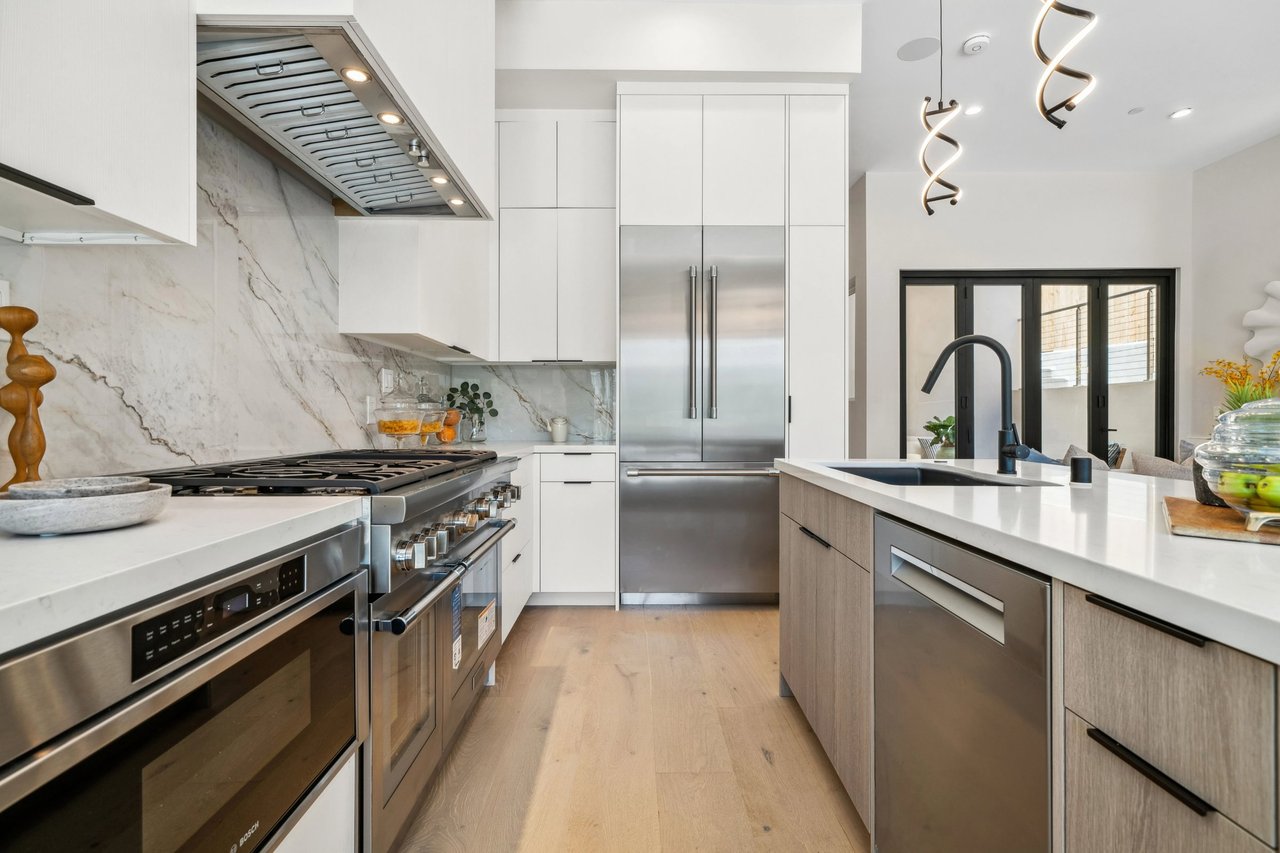
Keep the look simple and polished. Clean lines, clear surfaces, balanced lighting, and furniture that shows scale can go a long way. The goal is to make the home photograph beautifully and feel easy to imagine living in.
Step 7: Price with Bethesda data, not guesses
Pricing is where preparation meets strategy. It can be tempting to anchor your expectations to an automated estimate or a standout sale nearby, but those shortcuts can miss the details that shape actual buyer response.
Bethesda’s numbers show strong demand, but that does not eliminate pricing risk. Redfin’s local data points to a fast-moving, high-value submarket, while broader Montgomery County trends are more balanced. Realtor.com reported a February 2026 countywide median listing price of $585,000 and a 100% sale-to-list ratio, while GCAAR’s January 2026 report showed 44 average days on market and a 96.6% sold-to-list ratio.
The takeaway is simple: overpricing can still slow traffic, even in an affluent market. A strong pricing strategy should reflect recent Bethesda comps, your home’s condition, your competition, and the pace of buyer activity right now.
Step 8: Treat marketing like a launch
Today’s buyers usually see your home online before they ever step inside. That makes marketing quality more than a nice extra. It is part of your pricing and negotiation strategy.
The National Association of Realtors reports that 43% of buyers first looked online for properties, all buyers used the internet during their search, and the most useful website content included photos, detailed property information, and floor plans. NAR also reports that 91% of sellers used a real estate agent and 88% of buyers purchased through an agent or broker.
For your Bethesda listing, that means your launch should be built around clear presentation and broad visibility. Premium photography, 3D walkthroughs, virtual staging when appropriate, video, and accurate listing details can help buyers engage with your home before they schedule a showing.
Step 9: Estimate your net proceeds early
Many sellers focus on list price and forget to calculate what they may actually take away from the sale. Your net proceeds depend on several factors, including your mortgage payoff, transfer-related costs, and local taxes and fees.
In Montgomery County, Bill 17-23 changed recordation tax rates effective October 1, 2023, with tiered rates above $500,000 and $1 million. Because Bethesda home values often fall into those tiers, it makes sense to request a net sheet early rather than rely on rough estimates.
This gives you a clearer picture of:
- Expected closing costs
- Likely proceeds after payoff
- Whether small pre-list updates make financial sense
- How much flexibility you have in negotiations
Step 10: Build a smoother path to closing
A successful sale is not just about attracting an offer. It is also about making the transaction easier to keep together from contract to closing.
When you prepare early, complete disclosures, address key repair concerns, and launch with strong marketing, you lower the odds of avoidable friction. You also put yourself in a better position to respond quickly when buyers ask questions or request information.
In a Bethesda market where demand can be strong but expectations are high, that kind of preparation can help you protect both your timeline and your bottom line.
If you are getting ready to sell, working with a team that combines local market insight, premium listing presentation, and a disciplined process can make the entire experience feel more manageable. When you are ready to plan your next move, connect with Patricia Okolo to request a free home valuation and build a selling strategy tailored to your Bethesda home.
FAQs
What is the first step in preparing to sell a Bethesda home?
- The first step is setting your timeline early so you have enough time for disclosures, repairs, staging, photography, and pricing before the home hits the market.
Do Bethesda home sellers need a radon test before closing?
- For many single-family homes in Montgomery County, including detached homes and townhomes, radon testing is generally required before sale within one year of settlement.
What disclosures are required when selling a home in Maryland?
- Maryland sellers typically need to complete a residential disclosure or disclaimer statement, and known latent defects must still be disclosed even if the home is sold as is.
Do sellers of older Bethesda homes need lead paint disclosures?
- If the home was built before 1978, federal rules require lead-based paint disclosures, sharing any available reports, and generally allowing a 10-day opportunity for a buyer inspection unless agreed otherwise.
Does staging really help a Bethesda home sell?
- Current NAR data suggests staging can help by reducing time on market and, in some cases, increasing the dollar value buyers offer.
Why is pricing strategy important in the Bethesda real estate market?
- Even in a strong Bethesda market, overpricing can reduce buyer interest and lead to slower activity, so pricing should be based on recent local comps and current market conditions.