Imagine waking up to a pink sunrise over the Intracoastal, grabbing a coffee, and taking a short drive to the beach before work. If you are picturing that rhythm, you are already close to the West Palm Beach lifestyle. Whether you want a walkable downtown, a quiet historic street, or easy access to golf and the water, you will find options that fit your pace. In this guide, you will learn how daily life really feels, which neighborhoods match different lifestyles, what to expect from the weather and costs, and how to get around with ease. Let’s dive in.
West Palm Beach at a glance
West Palm Beach sits on Florida’s east coast along the Intracoastal Waterway, within the broader South Florida region. The city blends year-round residents with seasonal visitors and has a diverse population, including strong Hispanic, Latinx, and Caribbean communities.
The local economy spans tourism and hospitality, healthcare, professional services like finance and legal, retail, real estate and construction, and government. You will find boutique finance and wealth-management firms, plus many small to midsize companies. People are drawn here for the coastal and boating lifestyle, cultural venues, outdoor recreation, and Florida’s no state income tax.
Weather and seasons
Expect two distinct patterns. Late spring through early fall brings a hot, humid, and rainy season with frequent afternoon thunderstorms. Late fall through early spring is drier and milder, which is why winter is peak season for visitors.
Hurricane season runs from June through November. Residents plan for storms as a normal part of life. That can include storm shutters or impact windows, a supply kit, and reviewing evacuation information. Air conditioning is essential, and you will notice seasonal mosquito activity and routine upkeep for things like mold prevention and pest control.
Quick planning tips:
- Track the forecast during hurricane season and make a household plan.
- Ask about elevation, flood zones, and wind mitigation features when you shop for homes.
- Factor insurance into your budget from the start.
Daily life, culture, and fun
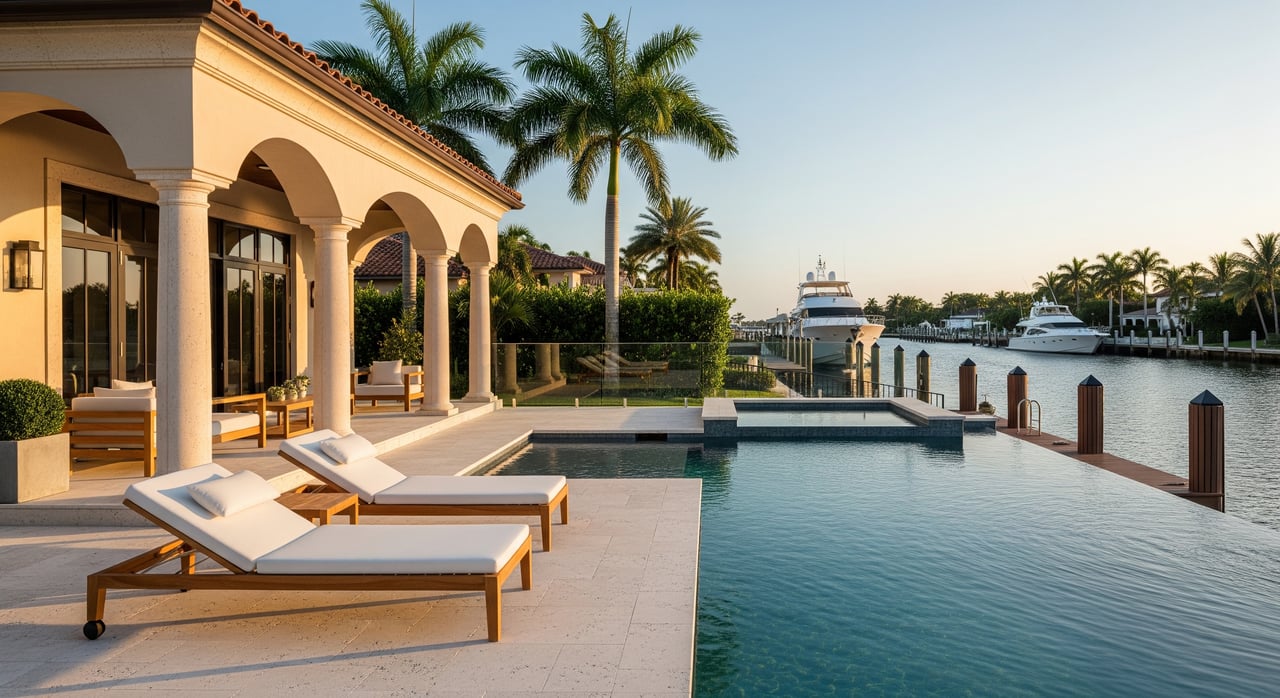
Waterfront living is a major perk. Boating, fishing, and paddleboarding are common, and many residents use local marinas. Beaches on the nearby barrier island are just minutes from many parts of the city.
If you love nature, local parks and preserves such as Grassy Waters Preserve offer hiking and birding. Golf is easy to access across Palm Beach County, and the equestrian and polo scene in Wellington is a regional standout.
For dining and nightlife, Clematis Street and Rosemary Square are central hubs with restaurants, bars, shops, and frequent events. The arts scene includes the Norton Museum of Art, performing arts at the Kravis Center, and seasonal festivals like SunFest along the waterfront. You can browse luxury retail on nearby Worth Avenue as well as explore independent boutiques and cafés across the city.
Neighborhood snapshots
Everyday pace can change a lot by neighborhood. Here are concise, neutral profiles to help you narrow your search:
- Downtown / Clematis / Rosemary Square. Walkable streets with restaurants, bars, festivals, and shopping. Housing includes condos and apartments close to the action.
- El Cid and Flamingo Park. Historic, tree-lined streets near downtown with single-family homes and a neighborhood feel close to core amenities.
- Northwood and Northwood Village. A creative district with historic bungalows, galleries, and coffee shops. A relaxed vibe with local businesses.
- South End and Prospect Park. Close-in residential areas with a mix of houses and mid-rise condos. Reasonable access to downtown without urban density.
- Barrier-island Palm Beach. Distinctly upscale environment with luxury retail and resort-like amenities. Prices and prestige are higher.
- Suburban options nearby. Places like Palm Beach Gardens, Wellington, and Boca Raton offer larger-lot homes, many gated communities, and a more suburban layout.
Housing and the market feel
You will see a wide range of housing types: waterfront condos and high-rises, historic single-family homes on smaller lots, newer subdivisions in suburban areas, and luxury estates on the barrier island. The market often feels competitive, especially for waterfront and downtown properties. Seasonal patterns matter, and activity often increases in winter months. Demand from out-of-area and second-home buyers can shift inventory and pricing quickly.
Buyers here include local professionals, retirees, and seasonal residents. Compared with national medians, overall costs tend to be higher in South Florida, though price varies widely by neighborhood and property type. Insurance, including wind or hurricane coverage and flood insurance where required, can be a major part of your total monthly cost.
Buying smart checklist
Before you make an offer, build confidence with a few key checks:
- Review FEMA flood zones and consider elevation when comparing properties.
- Use the Palm Beach County property appraiser for parcel history and tax information.
- Discuss homeowner’s, wind, and flood insurance early, especially for older homes and waterfront areas.
- Ask about storm-resilience features such as impact windows, shutters, roof age, and drainage.
Cost of living basics
Living costs in desirable neighborhoods are generally above U.S. medians. Housing and insurance are the largest drivers for many households, and air conditioning is a year-round utility expense. Florida’s no state income tax can help offset some of your total cost depending on your income profile.
If you are comparing options across neighborhoods, the biggest cost swing is usually housing itself, followed by insurance. Waterfront location, building age, and elevation can influence premiums and maintenance costs.
Getting around and commuting
A car is the main mode for most residents, especially in suburban areas or for cross-county commutes. Major routes include I‑95, Florida’s Turnpike, and U.S. 1, and you will see rush-hour bottlenecks along commuter corridors.
Transit options do exist and are improving. Palm Tran provides countywide bus service. Tri-Rail connects Palm Beach County to Broward and Miami counties for some longer commutes. Brightline’s higher-speed rail runs from West Palm Beach to other regional stops and provides an alternative to driving for intercity trips. Palm Beach International Airport offers convenient regional air travel with domestic routes and seasonal service.
Walkability varies by neighborhood. Downtown areas provide the best access on foot to restaurants, nightlife, and cultural venues. Bicycling infrastructure is expanding in places, but comfort depends on the corridor, and many trips still work best by car.
Is it a fit for you?
If you want a coastal lifestyle with year-round outdoor living, cultural venues, and a range of neighborhood choices from urban to suburban, West Palm Beach is a strong match. If you are looking for four distinct seasons, very low property costs, or a fully car-free routine, you may need to calibrate your expectations.
The good news is that the metro offers multiple lifestyle options within a short drive, so you can adjust the balance between walkability, space, and price.
How we help
Buying or relocating from out of the area often starts with orientation and clear expectations. Our team pairs local market expertise with a client-first approach, and we support virtual showings and transparent, technology-enabled communication for remote buyers. If you are considering a sale, you can tap premium listing presentation and a disciplined process to reach the market with confidence.
Ready to explore neighborhoods, compare commute options, or price your home? Connect with Patricia Okolo to get tailored guidance or request a Free Home Valuation.
FAQs
What is the weather like year-round in West Palm Beach?
- Expect hot, humid, and rainy summers with frequent afternoon storms, plus mild, drier winters that draw seasonal visitors.
How does hurricane season affect homeowners in West Palm Beach?
- Hurricane season runs June through November, so residents plan ahead with storm windows or shutters, supply kits, insurance, and evacuation information.
What neighborhoods should I consider in and around West Palm Beach?
- Downtown, El Cid, Flamingo Park, Northwood, South End, and Prospect Park in the city, plus nearby Palm Beach, Palm Beach Gardens, Wellington, and Boca Raton.
Is West Palm Beach walkable for young professionals?
- Downtown offers the best walkability to dining, nightlife, and cultural venues, while many other neighborhoods are more car-oriented.
What are the main ways to get around the area?
- Most residents drive, with major roads like I‑95 and the Turnpike; Palm Tran buses, Tri-Rail, and Brightline provide transit options for select routes.
How expensive is living in West Palm Beach compared with the U.S.?
- Costs are generally above national medians in desirable areas, and insurance can be significant; Florida’s no state income tax may offset some expenses.
What should I check before making an offer on a home?
- Review flood zones and elevation, confirm property tax history, assess storm-resilience features, and price homeowner’s and flood insurance early.